
House Hacking with an FHA Loan in Chicago: The Step-by-Step Playbook for 2026
How to buy a 2-to-4 unit Chicago property with as little as 3.5% down, live in one unit, and let your tenants pay your mortgage — plus the rehab loan strategy most buyers never hear about.
The Deal That Tells You Everything You Need to Know
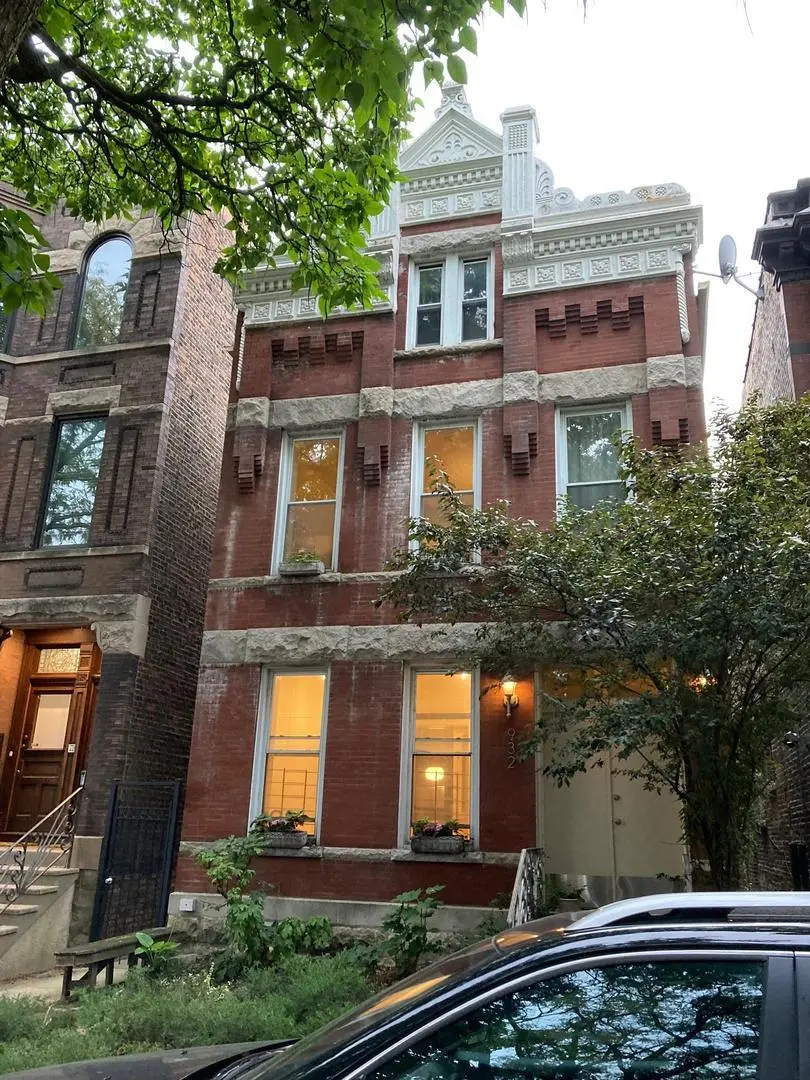
Last year, a client of mine closed on 932 N Wolcott — a four-flat in Ukrainian Village / East Village, one of the hottest neighborhoods in Chicago.
On paper, it didn't look like much. Four small one-bedroom, one-bathroom units. The property had been sitting on the market for a long time at $850,000 and nobody wanted it. Most buyers walked right past it.
We saw something different.
We scooped it up off-market at a great price using a Fannie Mae HomeStyle Renovation loan — a financing tool that lets you roll the purchase price and the rehab budget into one mortgage, with as little as 5% down as an owner-occupant. Then we went to work: dug down into the basement to create two duplex-down units, added an addition on the roof to create two duplex-ups, and turned four small one-bedrooms into four four-bedroom, two-and-a-half-bathroom units — each projected to rent for over $4,000/month in one of the most in-demand pockets of the city.
Total rehab cost: north of $700,000. Total down payment from my client: 5%. Cash flow on day one of stabilization. A property that was a dud in everyone else's eyes became a flagship asset in his portfolio.
That's house hacking at its highest level. And it all started with a loan program most first-time buyers in Chicago have never even heard of.
Here's the playbook — from the basic FHA 3.5% down move all the way up to the rehab loan strategy my client used at 932 N Wolcott.
What Is House Hacking, Really?
House hacking is simple: you buy a 2-to-4 unit building, live in one of the units, and rent out the others. Your tenants' rent covers most — sometimes all — of your mortgage. You build equity, get tax benefits, and live for nearly free while everyone else is paying a landlord.
The FHA loan is what makes this possible for normal people, not just investors with big cash piles. FHA allows you to put down just 3.5% on a 1-to-4 unit property — as long as you live in one of the units as your primary residence for at least 12 months.
That means a $600,000 Chicago duplex requires about $21,000 down instead of the $120,000–$150,000 a traditional investor would need. That gap is the difference between people who own real estate and people who just talk about wanting to.
The Chicago Math: Two Real Examples
Example 1 — The Straightforward Duplex
This is the entry point most first-time house hackers take. Let's run the numbers on a two-flat in a neighborhood like Logan Square, Avondale, or Humboldt Park — purchase price $625,000.
- Down payment (3.5% FHA): $21,875
- Closing costs: ~$12,000–$15,000 (some negotiable with seller)
- Total cash to close: roughly $35,000–$37,000
Monthly Payment (PITI + MIP):
- Principal & interest (30-year FHA, ~6.75%): ~$3,910
- Property taxes: ~$650
- Insurance: ~$150
- FHA mortgage insurance: ~$425
- Total monthly payment: ~$5,135
Rental income from the other unit: $2,400–$2,800/month.
Your effective housing cost: roughly $2,335–$2,735/month — to live in a property you own, in a Chicago neighborhood you actually want to be in.
Compare that to renting a similar 2-bed unit in those neighborhoods (often $2,400–$3,000) and you've just turned a sunk cost into an appreciating asset.
Example 2 — The 932 N Wolcott Rehab Play
Now let's look at what's possible when you level up. My client's deal:
- Purchase price: $850,000 (a four-flat that had been sitting on the market)
- Rehab budget: $700,000+ (basement dig-down for two duplex-downs, rooftop addition for two duplex-ups)
- Down payment (HomeStyle Renovation, 5%): roughly $77,500 against the combined purchase + rehab
- Final product: Four 4-bedroom, 2.5-bath units in Ukrainian Village / East Village
- Projected rent per unit: $4,000+/month → $16,000+/month gross
This is what a rehab-style house hack looks like when the math works. He didn't just buy a building — he created one. And the lender financed the whole thing in one loan.
The Rehab Loan Angle Most Chicago Buyers Miss
Most first-time buyers don't realize that the FHA 3.5% down loan has a sibling: the FHA 203(k) Renovation Loan. And there's also the Fannie Mae version: the HomeStyle Renovation Loan (the one we used at 932 N Wolcott).
Both let you wrap the purchase price and the renovation budget into a single mortgage. That means you can buy a beat-up, neglected, or under-utilized Chicago property — the kind sitting on the market because nobody else can see the potential — and finance the rehab without needing piles of cash.
A few key differences:
- FHA 203(k): 3.5% down. Stricter contractor and project requirements. Mortgage insurance for the life of the loan.
- Fannie Mae HomeStyle: 5% down as owner-occupant. More flexibility on project scope (luxury finishes, additions, structural work). PMI drops off at 20% equity.
For ambitious projects like 932 N Wolcott — where you're literally adding new units by digging down and building up — HomeStyle is usually the better tool. For more standard kitchens-and-baths-style rehabs, 203(k) often works fine.
The point is this: if a property looks rough but the bones are good and the location is right, a rehab loan is your secret weapon. It's how regular buyers compete with cash investors on distressed listings — and win.
The 7-Step Chicago FHA House Hacking Playbook
Step 1: Get Pre-Approved With an FHA-Friendly Lender
Not every lender does FHA loans well, especially on 2-to-4 unit properties. You want someone who closes these deals every month, not someone who's going to learn on yours. If you're considering a rehab loan, this matters even more — fewer than 1 in 10 lenders are truly fluent in 203(k) and HomeStyle.
Step 2: Pick the Right Chicago Neighborhood
The best house hacking neighborhoods balance three things: rental demand, appreciation potential, and your own willingness to live there for at least a year. My personal favorites for 2026 are Logan Square, Avondale, Humboldt Park, Pilsen, the Near West Side, and — if you're going for the rehab play — Ukrainian Village, East Village, and Bucktown, where finished product rents are strong enough to justify big renovation budgets.
Step 3: Hunt for the Right Building
For straight house hacks, look for buildings where the non-owner unit(s) can be rented at market rate, ideally with separate utilities, in-unit laundry, and decent layouts. For rehab plays, look for the opposite — undervalued, dated, or under-utilized buildings in great neighborhoods. Long days on market is often a buying signal, not a warning.
Step 4: Run the Real Numbers Before You Offer
Don't fall in love with the property — fall in love with the math. I underwrite every Chicago property in 15 minutes flat: projected rents, all-in monthly payment, vacancy buffer, cash reserves, and (for rehabs) realistic budget plus 15% contingency. If the numbers don't work, walk. Chicago has plenty of inventory.
Step 5: Get the FHA Appraisal Right
FHA appraisals are stricter than conventional ones. Peeling paint, missing handrails, broken windows — they'll all flag the deal. A good agent gets ahead of these before the appraiser shows up. This is where having someone who has done dozens of FHA deals on your side saves your closing.
Step 6: Close, Move In, and Set Up Like a Pro
Once you close, you have 60 days to move in. Treat your rented units like a real business from day one: written leases, proper screening, security deposits handled per CRLTO, and a system for rent collection. Your future self will thank you.
Step 7: After 12 Months, Decide Your Next Move
FHA only requires you to live in the property for 12 months. After that, you can rent out your unit too and start the playbook over again on your next building. This is how a portfolio gets built — one house hack at a time.
The Most Common Question I Get
"Catalin, what if I don't want to be a landlord?"
I hear this all the time. And here's the truth: you're already a landlord — you're just paying somebody else's mortgage instead of building your own equity. Every rent check you write is making your landlord wealthier. House hacking just flips the direction of the cash flow.
Yes, being a landlord requires real responsibility. But Chicago has tools — CRLTO compliance, professional screening, property management — that make it manageable. And once you've done it once, the second deal is 10x easier.
The Hard Lessons: Pitfalls That Kill Deals
The Contractor Trap (This One Costs You Real Money)
I have to be blunt about this, because it's the single biggest reason rehab house hacks go sideways: the wrong contractor will destroy you.
At 932 N Wolcott, my client's first contractor on the basement dig-down did such poor work that we had to fire him, hire a second contractor to fix what the first one botched, and absorb the costs. The damage:
- Over $40,000 in additional costs to redo and repair the work
- Over 8 months of lost time — months where the property couldn't be rented, financed, or finished
That's not unusual. That's the norm if you don't vet contractors brutally. On rehab loans especially, you need contractors who are licensed, insured, financially stable, experienced with structural work like dig-downs, and willing to work with the lender's draw schedule (which is more rigid than cash construction).
Get three bids minimum. Check active job sites. Ask for references from rehab loan projects specifically. Don't pick on price alone. The cheapest contractor is almost never the cheapest contractor by the time the project is done.
Other FHA Pitfalls to Watch For
- Self-sufficiency rule (3-4 unit properties): FHA requires that 75% of projected rents from a triplex or fourplex must cover the full mortgage payment. This is the #1 reason FHA deals on larger buildings fall apart. Know this rule before you offer.
- Property condition issues: FHA appraisers flag things conventional ones ignore. Get ahead of them.
- Mortgage insurance for life: FHA MIP doesn't drop off automatically like conventional PMI. Plan to refinance into a conventional loan once you have 20%+ equity.
- Buying the wrong building: A cheap building in a neighborhood with weak rental demand isn't a deal — it's a trap. Numbers matter more than price.
The Bottom Line
House hacking with an FHA loan is the closest thing Chicago has to a wealth-building cheat code for regular people. You don't need to be rich. You don't need to be a real estate expert. You need decent credit, steady income, around $30,000–$40,000 in cash, and the willingness to live in your investment for a year.
And if you're ambitious — if you're willing to take on a project like 932 N Wolcott — the rehab loan options open up an entirely different game. Properties most buyers ignore become the best deals in the city.
Do this once and your life changes. Do it three or four times over a decade and you've built something most people only dream about.
Chicago is one of the best house hacking markets in America right now — affordable entry points, strong rental demand, and a financing system that rewards owner-occupants. The window is open. The question is whether you walk through it.
Ready to Run the Numbers on Your First House Hack?
If you're serious about exploring this — whether it's a straightforward duplex or a rehab play like 932 N Wolcott — let's talk. I own and manage 30+ doors across Chicago, I help clients close house hacks every month, and I know the lenders, contractors, and neighborhoods that actually deliver.
Grab my free House Hacking in Chicago Guide for the deeper dive, or book a quick 15-minute call with me and we'll walk through your specific situation, your budget, and which Chicago neighborhoods make sense for your first deal.
One property. One loan. One decision. That's how it starts.
— Catalin
Categories
Recent Posts




Managing Broker License ID: 1008896
+1(773) 474-8497 | catalin@crosstownrealtors.com